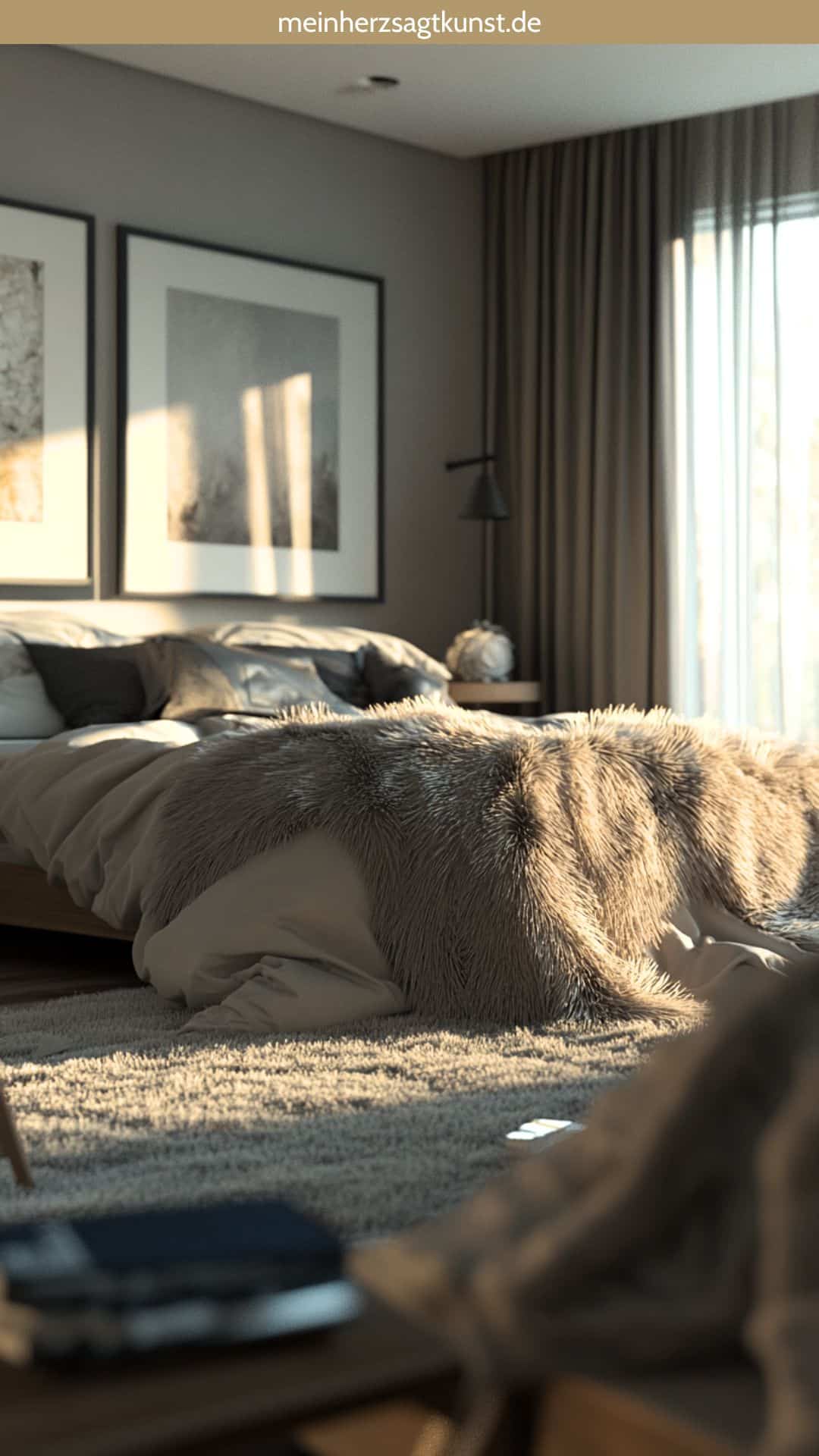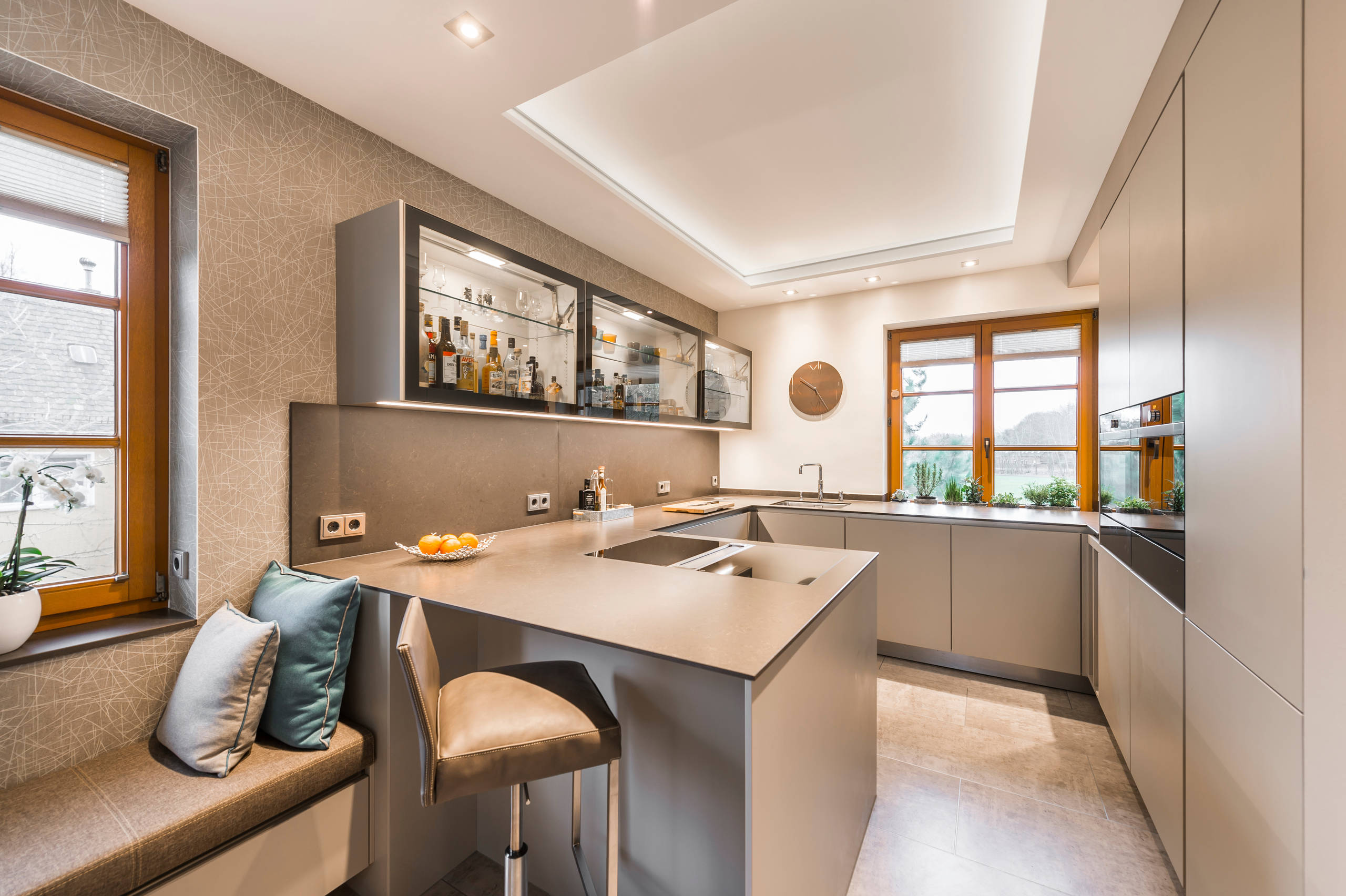

Learn smart choices for Moderne Inneneinrichtung. Expert tips on minimalist design, functionality, and timeless appeal for your home.

Creating an appealing and functional living space requires thoughtful planning, especially when embracing the principles of Moderne Inneneinrichtung. This aesthetic prioritizes clean lines, functionality, and a sense of calm. My experience in interior design, working on projects from compact city apartments to sprawling US suburban homes, has shown that smart choices are paramount. It’s not about expensive items, but about purposeful selections that contribute to a cohesive whole. Good design merges aesthetics with everyday practicality, making your home a sanctuary.
Overview
- Moderne Inneneinrichtung focuses on functionality, clean lines, and a minimalist aesthetic.
- Material selection, including natural elements and durable finishes, forms a critical foundation.
- Strategic color palettes, often neutral with controlled accents, define the modern look.
- Lighting serves both practical needs and as a significant design element, shaping mood and perception.
- Furniture choices emphasize comfort, utility, and understated elegance, avoiding clutter.
- Art and decorative items are curated carefully, adding personality without overwhelming the space.
- Successful modern interiors balance openness with defined functional zones.
- Budget-conscious decisions are possible by prioritizing key pieces and DIY projects.
The Essence of Moderne Inneneinrichtung: Function and Form
The core philosophy behind Moderne Inneneinrichtung is a seamless blend of function and form. Every element in the room should serve a purpose, contributing to the overall utility and aesthetic. Clutter is the enemy; open spaces and clear surfaces are hallmarks. From an expert viewpoint, this means assessing needs before making any purchase. Ask yourself: “Does this item improve daily living or simply fill space?” In my projects, this critical evaluation guides every decision, from initial layout to final touches.
We often start with the spatial layout. An open-plan concept is common in modern homes, yet defining zones remains important. Rugs can delineate seating areas; shelving units can act as subtle dividers. The flow between spaces should feel natural and effortless. Storage is another key component. Integrated cabinets, hidden compartments, and multi-functional furniture keep items out of sight. This disciplined approach ensures that a room feels both spacious and highly efficient. The goal is an environment that supports easy living and visual peace. Material choices also play a huge role in this functional beauty.
Smart Material and Color Selection for Moderne Inneneinrichtung
Selecting appropriate materials and colors is fundamental to achieving a polished Moderne Inneneinrichtung. My preferred palette often includes natural materials like wood, stone, and metal, paired with textiles such as linen and wool. These elements introduce texture and warmth without sacrificing simplicity. For surfaces, durable and easy-to-maintain options are crucial. Think quartz countertops or engineered wood flooring. These choices not only look good but also stand up to daily use. They reflect the practical side of modern living, a focus on longevity and low maintenance.
Color schemes in Moderne Inneneinrichtung typically lean towards neutrals. Whites, greys, and blacks create a serene backdrop. These foundational colors allow for flexibility, enabling homeowners to introduce pops of color through accessories or artwork. A single vibrant chair or a striking piece of wall art can provide a focal point without overwhelming the space. It is a balancing act. The key is restraint; too many colors or patterns can disrupt the calm, uncluttered feel. My experience shows that a well-chosen accent color can breathe life into a neutral room.
Practical Lighting Strategies for Contemporary Spaces
Effective lighting is more than just illumination; it shapes the mood and perception of a space. In contemporary interiors, a layered approach to lighting is essential. This typically involves ambient, task, and accent lighting. Ambient lighting provides general illumination, often from recessed fixtures or stylish pendant lights. Task lighting focuses on specific work areas, like under-cabinet lights in a kitchen or a desk lamp. Accent lighting highlights architectural features or artwork, adding depth and drama.
From an experienced perspective, lighting fixtures themselves are also design elements. Modern fixtures often feature clean lines, geometric shapes, and metallic finishes. Dimmers are a smart investment, allowing adjustment of brightness to suit different activities or times of day. Natural light should always be maximized. Large windows or glass doors are common in modern architecture for this reason. Simple window treatments, like roller blinds or sheer curtains, maintain privacy without blocking light or adding visual bulk. This strategic use of light brings warmth and definition.
Curating Furniture and Art in Moderne Inneneinrichtung
Furniture in Moderne Inneneinrichtung prioritizes clean lines, comfort, and multi-functionality. Pieces are often simple in design, without excessive ornamentation. A well-chosen sofa, for instance, offers both seating and a strong visual anchor for the room. I often advise clients to invest in a few high-quality, timeless pieces rather than filling a space with many disposable items. Look for furniture made from durable materials that can withstand everyday use. A minimalist approach does not mean a lack of comfort; instead, it refines comfort to its essential elements.
Art and decorative objects are crucial for adding personality. They prevent a modern space from feeling sterile. However, selection must be deliberate. Choose pieces that resonate with you, not simply to fill a void. A large, abstract painting can become a conversation starter. Sculptural objects or unique vases add visual interest. The rule of thumb is “less is more.” Each item should have room to breathe, allowing its individual form to be appreciated. This curated approach ensures every object feels special and contributes meaningfully to the overall design.