
Motivating yourself to stay active can be challenging, but effective Fitnessübungen für Zuhause offer a practical solution for anyone, regardless of their current fitness level. From my years of experience coaching clients and maintaining my own fitness journey, I’ve seen firsthand how powerful a well-structured home workout can be. It removes barriers like gym memberships, travel time, and feeling self-conscious, opening the door to consistent health habits right from your living room. This article shares proven strategies and exercises that empower you to build a sustainable fitness routine, all within the comfort of your home environment.
Overview
- Effective home workouts are accessible to individuals of all fitness levels.
- Bodyweight exercises form the core of most successful home fitness routines.
- Proper form is crucial to prevent injuries and maximize exercise effectiveness.
- Consistency and progression are key to achieving long-term fitness goals.
- A well-rounded home program should include strength, cardio, and flexibility components.
- Modifications for exercises allow beginners to start safely and advanced users to increase intensity.
- Scheduling dedicated workout times significantly improves adherence and results.
Proven Fitnessübungen für Zuhause für Anfänger und Fortgeschrittene
Starting your fitness journey at home is simpler than many people imagine. Bodyweight exercises are incredibly effective and require no special equipment, making them ideal Fitnessübungen für Zuhause. For beginners, focusing on fundamental movements helps build a strong foundation. Squats, for example, train the entire lower body. Start with chair squats, sitting back until your glutes touch a chair, then standing up. As you get stronger, progress to full bodyweight squats, ensuring your chest stays up and knees track over your toes. Aim for 2-3 sets of 10-15 repetitions.
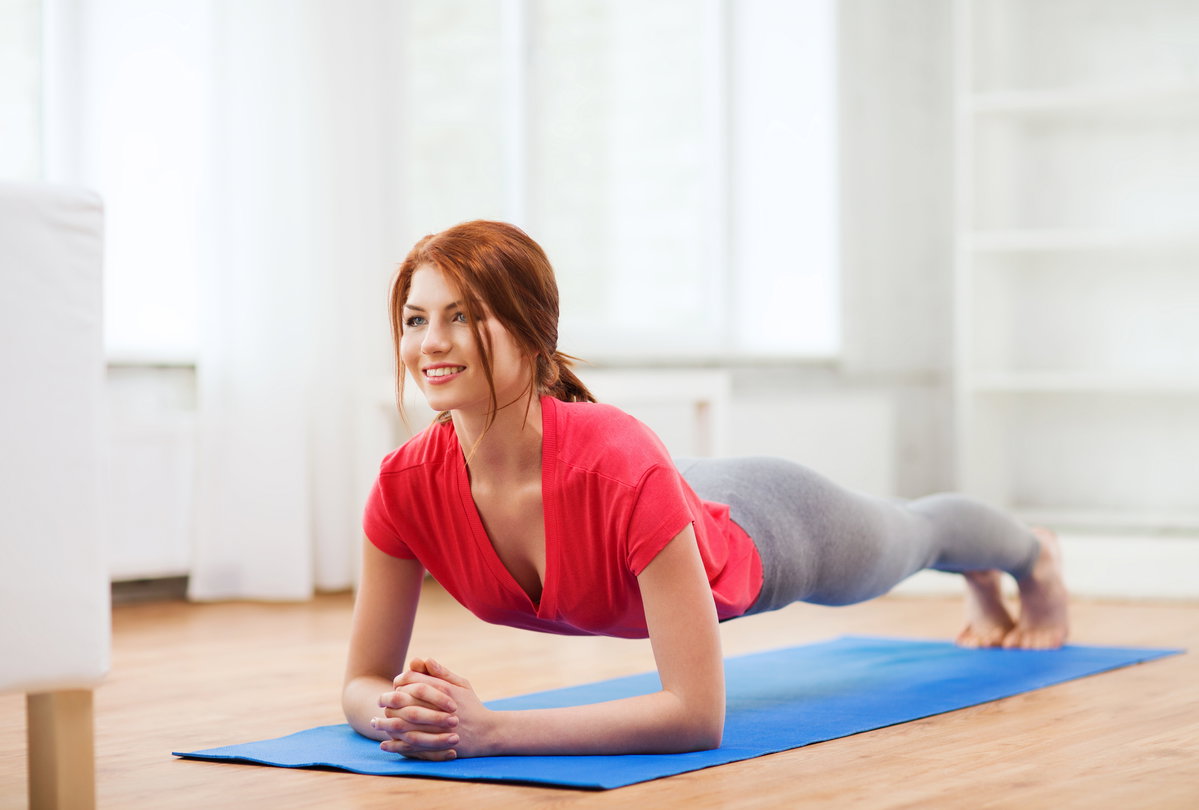
Push-ups are another cornerstone exercise. Beginners can perform wall push-ups or knee push-ups to build upper body strength. Keep your body in a straight line from head to knees or heels. As strength improves, move to incline push-ups using a sturdy surface, eventually working towards standard floor push-ups. Lunges are excellent for leg strength and balance; begin with reverse lunges for better stability. Plank holds engage the core effectively. Hold a plank for 20-30 seconds, maintaining a straight line from head to heels. These foundational movements can be adapted as you gain strength and endurance, creating a robust and progressive workout program. Consistency is more important than intensity when starting out.
Building a Home Workout Routine
Creating a balanced workout routine at home involves structuring your sessions to target different muscle groups and fitness components. A good home program includes strength training, cardiovascular work, and flexibility. For strength, utilize exercises like those mentioned previously, combining them into circuits. For example, perform squats, push-ups, lunges, and plank holds back-to-back with minimal rest, then rest for 60-90 seconds before repeating the circuit. This approach provides both strength and a cardiovascular challenge. Many individuals in the US have adopted similar circuit training methods for convenience.
Cardiovascular exercises at home can be as simple as jumping jacks, high knees, or burpees. Even marching in place at a brisk pace can elevate your heart rate. Incorporate short bursts of cardio between strength exercises or dedicate specific days to cardio sessions. Flexibility is often overlooked but crucial for injury prevention and range of motion. Spend 5-10 minutes post-workout stretching major muscle groups, holding each stretch for 20-30 seconds. A flexible routine might involve three strength days and two cardio days, with stretching incorporated into each session. Listen to your body and adjust the frequency and intensity as needed. Remember, even short, consistent workouts yield significant long-term health benefits.
Advanced Fitnessübungen für Zuhause für maximale Ergebnisse
Once you have mastered the basic movements, it is time to increase the challenge of your Fitnessübungen für Zuhause. Progression is vital for continued muscle growth and strength gains. For squats, consider jump squats for an explosive element or single-leg squats (pistol squats) for extreme lower body strength and balance. These require greater stability and control. For push-ups, try elevated feet push-ups or one-arm push-ups. These variations significantly increase the load on your upper body and core.
Burpees with a full push-up and jump provide a powerful full-body cardio and strength challenge. Adding plyometric movements like box jumps (using a sturdy bench or step) or broad jumps can boost power and explosiveness. For core strength, move beyond standard planks to dynamic plank variations like plank jacks, side planks with hip dips, or ab roll-outs using a towel on a smooth floor. Implementing advanced techniques like supersets (performing two exercises back-to-back without rest) or pyramid sets (increasing or decreasing reps/sets in a pyramid fashion) can also intensify your home workouts. These strategies ensure your muscles are constantly challenged, promoting continued adaptation and optimal results.
The Benefits of Consistent Fitnessübungen für Zuhause
The advantages of regularly performing Fitnessübungen für Zuhause extend far beyond physical appearance. Consistency in your home workout routine leads to improved cardiovascular health, stronger muscles and bones, better mood, and increased energy levels throughout the day. People often report reduced stress and anxiety from their regular exercise habits. There’s also the undeniable convenience factor. Eliminating travel time to a gym and the need for specialized equipment means fewer excuses and more opportunities to prioritize your well-being.
Establishing a routine at home builds discipline and self-efficacy, proving to yourself that you can commit to personal health goals. This sense of accomplishment can positively impact other areas of your life. Furthermore, a consistent home fitness practice can be incredibly cost-effective. You save on gym memberships, transportation, and potentially expensive workout gear. Ultimately, dedicated home training provides a sustainable path to better health, offering flexibility and personalized progress in an environment you control.


