
Understand the trademark registration process in India from an expert’s view. Learn crucial steps, common challenges, and vital compliance.
Protecting a brand’s identity is fundamental for any business, regardless of its size. From years of practical experience, I’ve seen how a well-secured trademark can differentiate a product or service in a crowded market. The trademark registration process in India involves several stages, each requiring diligent attention. It’s not just a legal formality; it’s a strategic investment in your business’s future and brand equity. Many businesses start without this protection, only to face complications later.
Overview
- The trademark registration process in India begins with a thorough availability search.
- Application filing is a critical step, requiring accurate classification and documentation.
- The Intellectual Property Office examines the application for distinctiveness and potential conflicts.
- Publication in the Trademark Journal allows for public opposition within a specific period.
- Successful applications proceed to registration, granting legal protection for ten years.
- Expert guidance can significantly streamline the process and prevent common pitfalls.
- Unlike the US where intent-to-use applications are common, India often requires actual use or a bona fide intention to use.
Understanding the Initial Steps of the Trademark Registration Process in India
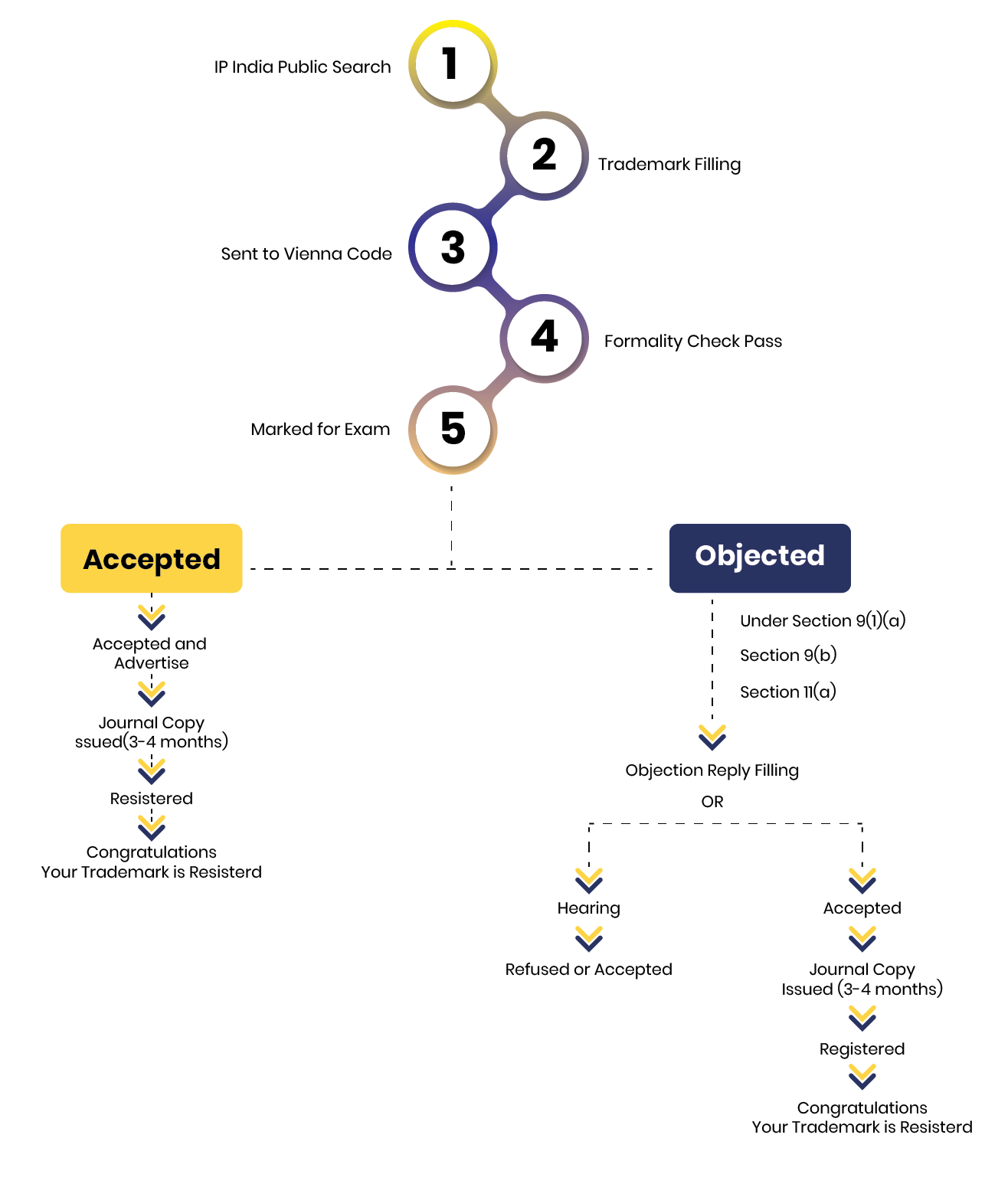
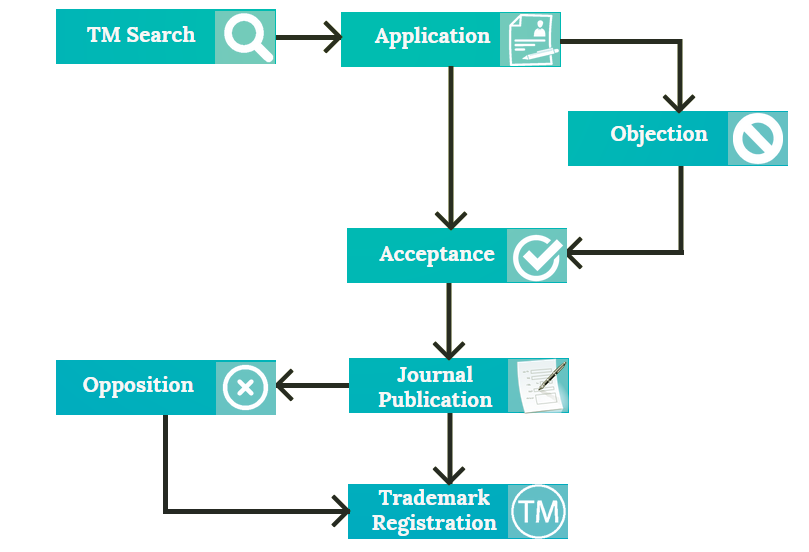
The initial phase of the trademark registration process in India is arguably the most crucial. It begins with a comprehensive trademark search. This search determines if identical or deceptively similar marks already exist in the Trademark Registry. A professional search helps avoid potential objections or opposition later, saving both time and resources. We typically use the official IP India portal, but also perform broader internet searches to catch common law trademarks that might not be registered.
Once the mark appears unique, the next step involves preparing and filing the trademark application. This requires identifying the correct class of goods or services under the Nice Classification system. Misclassification can lead to delays or even rejection. We also advise on the proper representation of the mark, whether it’s a word mark, logo, or a combination. Accurate applicant details and a clear description of goods/services are essential. A well-drafted application sets the stage for a smoother journey through the subsequent stages.
Key Stages and Formalities in the Trademark Registration Process in India
Following the filing, the application undergoes formal examination by the Trademark Registry. This stage assesses the mark’s distinctiveness and compliance with legal requirements. The examiner might issue an examination report, raising objections based on existing marks or the mark’s descriptive nature. Responding to these objections promptly and effectively is vital. This often involves submitting a detailed legal argument, backed by precedents, to persuade the examiner. Sometimes, an appearance for a hearing is necessary to address the concerns directly.
After a satisfactory response or successful hearing, the mark is advertised in the Trademark Journal. This publication provides a four-month window for any third party to file an opposition. Opposition can arise from prior users or owners of similar marks. If an opposition is filed, it escalates into a contested proceeding. This stage involves filing counter-statements, evidence, and potentially hearings. It’s a complex legal battle requiring specialized knowledge. Without opposition, or if opposition is successfully defended, the mark proceeds to registration.
Post-Application Management in India
Securing trademark registration is a significant milestone, but the journey does not end there. A registered trademark in India grants protection for ten years from the date of application. After this period, it must be renewed to maintain its legal validity. Missing the renewal deadline can lead to the removal of the mark from the register. While reinstatement is possible, it involves additional fees and procedures. Proactive tracking of renewal dates is a critical aspect of intellectual property management.
Beyond renewals, active monitoring of the marketplace is also important. Trademark infringement can occur when others use a similar mark without authorization. Businesses must remain vigilant against such unauthorized use. Taking swift legal action against infringers helps protect brand reputation and commercial interests. This proactive approach ensures the long-term value and strength of the registered trademark. Effective post-registration management ensures the enduring protection of your brand’s identity.
Common Challenges and Expert Tips for the Trademark Registration Process in India
The trademark registration process in India is not without its hurdles. One common challenge is dealing with examination objections. Many applicants, especially those new to IP law, struggle to formulate strong legal responses. Another frequent issue is opposition from third parties. These can be lengthy and expensive disputes, requiring robust evidence and skilled argumentation. Delays at various stages are also common, making patience and persistent follow-up essential.
Based on experience, a key tip is to conduct an exhaustive pre-filing search. This reduces the likelihood of objections later. Secondly, always ensure accurate and complete documentation at the initial filing stage. Errors here can cause significant delays. Thirdly, if an objection or opposition arises, seek expert legal counsel immediately. Professional assistance can significantly improve the chances of a favorable outcome. Finally, be prepared for a process that can take several months, or even years, especially if it involves hearings or oppositions. Diligence and foresight are your best allies.


