

Streamline your trademark registration process India with expert insights. Learn the steps, avoid pitfalls, and secure your brand’s future effectively.
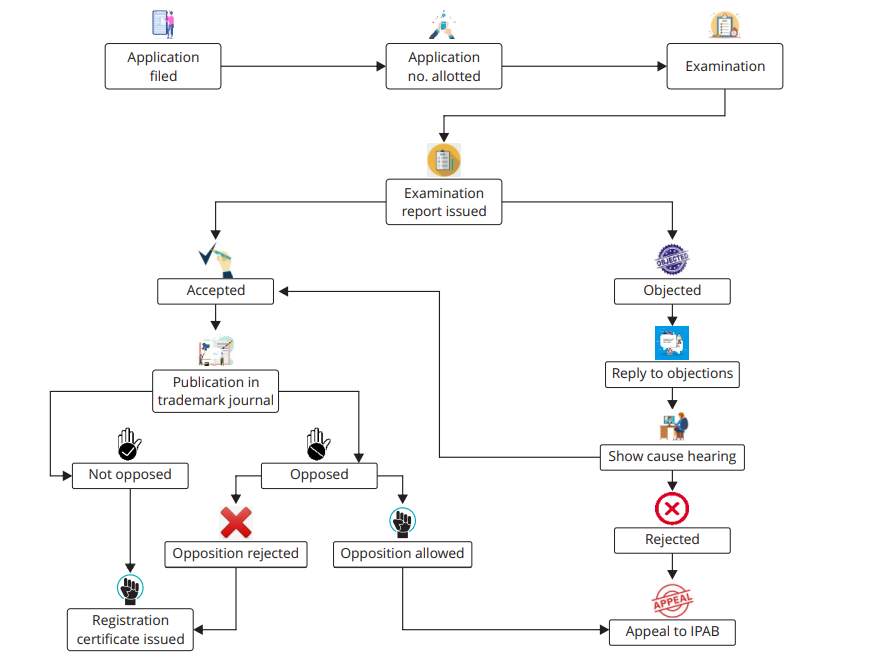
Securing a trademark in India is a critical step for any business aiming to protect its unique brand identity. From personal experience, I know this journey can seem complex. However, with a clear understanding of each stage, it becomes manageable. This guide offers practical advice, drawing from years of assisting clients through the intricate system of the Indian intellectual property office.
Overview
- Initial steps involve a thorough trademark search and proper classification.
- Filing the application requires accurate applicant details and precise goods/services descriptions.
- The examination process by the Trademark Registry includes formalities and substantive review.
- Addressing examination reports and potential objections is a common procedural hurdle.
- Publication in the Trademark Journal provides an opportunity for third-party opposition.
- Successful applications proceed to registration and issuance of the certificate.
- Post-registration responsibilities include renewal and proper use of the trademark.
- Expert assistance can significantly streamline the entire application journey.
Understanding the Initial Steps in the trademark registration process india
The very first action in the trademark registration process India is a comprehensive trademark search. This search determines if your chosen brand name, logo, or slogan is already registered or has a similar mark pending. Using the official Indian Trademark Registry database is essential. Overlooking this step can lead to significant delays or even outright rejection later. A diligent search prevents conflicts.
Beyond the search, accurate classification of goods and services is paramount. India follows the Nice Classification system, similar to the US and many other countries. Correctly identifying the class or classes relevant to your business ensures adequate protection. Misclassification can narrow your rights or lead to objections from the examiner. We always advise clients to err on the side of caution, selecting all appropriate classes.
Next comes preparing the application form (TM-A). This document requires precise details of the applicant, the mark itself, and the goods or services. It also needs a clear representation of the trademark. Filing can be done electronically, which is the preferred method for its speed and efficiency. A proper initial filing sets the stage for a smoother subsequent process.
The Examination and Publication Phases of the trademark registration process india
Once the application is filed, it enters the examination phase. An examiner at the Trademark Registry reviews the application. They check for compliance with legal requirements and assess distinctiveness. The examiner also looks for conflicts with existing registered or pending marks. This stage is crucial in the trademark registration process India.
An examination report is then issued. This report may raise objections based on various grounds. Common objections include lack of distinctiveness or similarity to prior marks. It is vital to respond to these objections within the stipulated timeframe, usually 30 days. A well-reasoned and legally sound response can often overcome initial hurdles.
Following a successful examination, or after overcoming objections, the mark is published in the Trademark Journal. This publication serves as a public notice. It allows any third party who believes they would be harmed by the mark’s registration to file an opposition. The opposition period is four months from the date of publication. This is a critical window where public scrutiny occurs.
Addressing Objections and Oppositions
When an examination report raises objections, a prompt and detailed response is necessary. This response typically includes legal arguments, supporting evidence, and sometimes amendments to the application. For instance, if distinctiveness is challenged, one might provide proof of extensive use in the market. This demonstrates acquired distinctiveness, which can be compelling.
If the examiner remains unconvinced by the written response, a hearing might be scheduled. During a hearing, a trademark attorney presents arguments directly to the examiner. This personal interaction can often clarify misunderstandings and lead to a favorable outcome. It requires preparation and a strong understanding of trademark law.
Should an opposition be filed by a third party, the process becomes more contentious. The applicant must file a counter-statement. This statement refutes the claims made by the opponent. Both parties then submit evidence through affidavits. The process can involve multiple rounds of submissions and potentially a hearing before the Registrar. Successfully navigating an opposition requires expert legal representation.
Final Stages and Post-Registration Aspects of the trademark registration process india
After the opposition period passes without challenge, or after an opposition is decided in the applicant’s favor, the trademark proceeds to registration. The Trademark Registry issues a registration certificate. This certificate confirms legal ownership of the trademark. It grants the proprietor exclusive rights to use the mark for the specified goods and services. This is a significant milestone in the trademark registration process india.
The trademark registration is valid for 10 years from the date of application. After this initial period, it can be renewed indefinitely for subsequent periods of 10 years. Failure to renew can lead to the removal of the mark from the register. Therefore, maintaining a calendar for renewal dates is very important.
Furthermore, proper use of the registered trademark is crucial. This means using the mark exactly as registered and for the specified goods or services. If the mark is not used for a continuous period of five years and three months, it becomes vulnerable to cancellation by third parties on grounds of non-use. Vigilant monitoring and consistent use are key to long-term brand protection.


