

Key Takeaways
- Continuous education and professional development are essential for staying current with market trends.
- Leveraging technology and data analytics enhances decision-making and client service.
- Building strong networks and relationships within the industry provides valuable insights and opportunities.
- Understanding and adapting to client needs ensures long-term success in a dynamic market.
In the dynamic world of real estate, staying ahead of market trends is essential for success. Top professionals employ a variety of strategies to remain informed and adaptable, ensuring they provide the best service to their clients. For instance, the Beverly Hills CA real estate experts Aaron Kirman Group, operating under Christie’s International Real Estate Southern California, exemplify this approach. With over $24 billion in luxury home sales, they have established themselves as leaders in the industry. Their expertise spans Southern California, including Beverly Hills, Bel Air, and Malibu.
Continuous Education and Professional Development
Top real estate professionals prioritize ongoing education to stay informed about market changes, legal updates, and emerging trends. Engaging in workshops, seminars, and industry conferences allows them to gain new insights and skills. For instance, attending local real estate investor meetings can provide firsthand knowledge of market dynamics and investment opportunities. Additionally, obtaining advanced certifications and designations, such as the Certified Residential Specialist (CRS) or Accredited Buyer’s Representative (ABR), can enhance credibility and expertise. These credentials demonstrate a commitment to excellence and a deep understanding of the industry.
Beyond formal education, many leading agents make a habit of subscribing to real estate journals, following influential market analysts, and participating in online forums and webinars. These activities help them stay up to date on not just local but also national and global changes that could eventually impact their markets. A commitment to lifelong learning ensures that professionals can anticipate industry shifts and proactively adjust their business practices for better outcomes. Furthermore, top performers often mentor junior agents or lead training sessions, reinforcing their own knowledge while helping newcomers succeed.
Leveraging Technology and Data Analytics
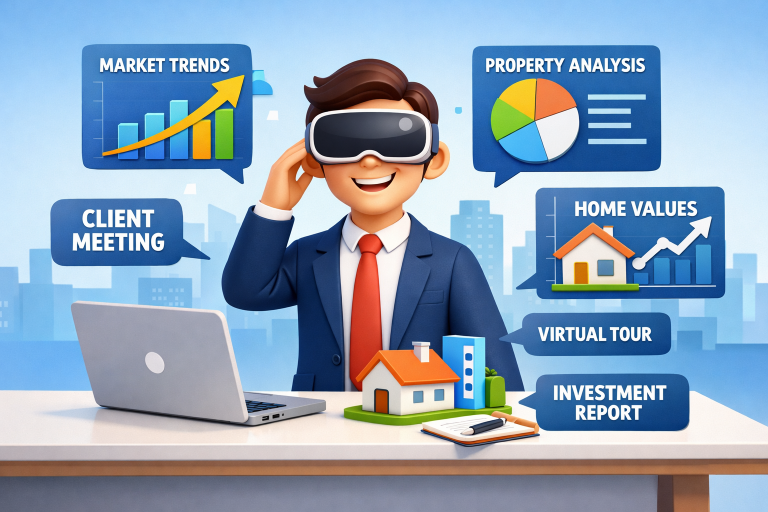
Embracing technological advancements enables real estate professionals to analyze market data effectively and make informed decisions. Utilizing tools like virtual reality for property tours and artificial intelligence for market analysis enhances client experiences and operational efficiency. For example, implementing customer relationship management (CRM) systems can streamline communication and improve the management of client interactions. Furthermore, leveraging big data analytics allows agents to identify emerging market trends and tailor their strategies accordingly. By integrating these technologies, professionals can stay competitive in a rapidly evolving market.
Mobile apps and digital marketing platforms also play a crucial role in reaching potential buyers and sellers. Smart home technology and IoT devices are now becoming a consideration in luxury real estate transactions, providing new features and value for clients. Social media analytics, real-time pricing tools, automated valuation models, and predictive trend software all empower agents to give clients accurate advice and up-to-the-minute market information. These technological enhancements mean agents can deliver a seamless buying or selling journey, from virtual open houses to secure digital contract signing.
Moreover, as the industry shifts towards remote work and increasingly digital transactions, the ability to adapt quickly to new platforms and security protocols is vital. Professionals who stay ahead of technology trends can minimize disruptions, address cybersecurity concerns, and provide an unparalleled client experience in both in-person and remote engagements.
Building Strong Networks and Relationships
Establishing and maintaining robust networks with other industry professionals, such as agents, brokers, and investors, provides valuable insights and opportunities. Collaborating with peers enables the exchange of information on market trends and best practices, fostering a supportive community that benefits all parties. Participating in professional associations, such as the National Association of Realtors (NAR), can offer access to resources, training, and networking events. Additionally, building relationships with local businesses and community leaders can enhance market knowledge and create referral opportunities. These connections are instrumental in staying informed and expanding one’s professional reach.
Successful agents recognize that strong relationships go beyond professional circles. Regularly engaging with clients even after transactions close is key to repeat and referral business. Seasoned professionals host client appreciation events, send out periodic newsletters, and maintain a presence in community activities. By nurturing these relationships, they foster trust and loyalty, keeping their finger on the pulse of changing market needs and personal connections.
Networking today is also about digital presence. Top performers make effective use of LinkedIn, industry forums, and private mastermind groups, exchanging market intelligence and forming partnerships across broader geographic areas. With these strategies, real estate professionals can access off-market listings, stay updated on local regulations, and collaborate on large-scale deals that may be unavailable through traditional channels.
Understanding and Adapting to Client Needs
Successful real estate professionals prioritize understanding their clients’ evolving needs and preferences. By staying attuned to changes in buyer behavior and market demands, they can tailor their services accordingly. Conducting regular client surveys and feedback sessions can provide valuable insights into client expectations and satisfaction levels. Additionally, staying informed about demographic shifts and economic factors that influence buyer decisions allows agents to anticipate and respond to market changes effectively. This client-centric approach not only enhances satisfaction but also builds long-term relationships and referrals.
Many top agents invest in advanced customer profiling and behavioral analytics to better predict what buyers and sellers are likely to want in the coming months. This can include analyzing data on lifestyle preferences, generational buying habits, and regional migration patterns. Proactive communication, such as sharing market updates or providing educational content about homeownership trends, fosters a sense of partnership and trust between agent and client. The most successful professionals also customize marketing materials, virtual tour experiences, and negotiation strategies to reflect their clients’ unique goals and values.
Final Thoughts
Staying ahead in the real estate market requires a multifaceted approach that includes continuous education, technological integration, strong networking, and a deep understanding of client needs. By adopting these strategies, professionals can navigate market fluctuations effectively and provide exceptional service to their clients. Emulating the practices of industry leaders, such as the Beverly Hills CA real estate experts Aaron Kirman Group, can serve as a valuable model for success in the ever-evolving real estate landscape.
Ultimately, the key to sustained achievement in real estate is adaptability, embracing change as an opportunity for growth, and leveraging a combination of knowledge, technology, and relationships to deliver outstanding value. As the market evolves, those professionals who remain vigilant, curious, and dedicated to continuous improvement will always be positioned one step ahead of the competition. In this way, staying ahead of market trends is not just a professional advantage but a commitment to elevating the entire industry through expertise and innovation.